See how Frete cut frontend build time by 70%

Announcing Visual Copilot - Figma to production in half the time

Builder.io
Contact sales

See how Frete cut frontend build time by 70%

Announcing Visual Copilot - Figma to production in half the time

Explainers

We break down the technical details and strategies behind leading technologies in the AI and CMS space.

The best approach to scaling frontend teams is reducing coordination overhead, not adding developers. Focus on architecture boundaries and automation.

What's the best way to ship UI changes faster? Eliminate design-to-code translation work. Connect tools directly to your codebase for rapid deployment.

How do teams speed up frontend development? Teams remove design-to-code handoffs, build shared design systems, and automate repetitive UI assembly tasks.

Multi-agent systems for frontend development use specialized AI agents to parse designs, generate code, and test UI—replacing single-model limitations.

Enterprises manage design systems through shared component libraries, documented standards, and clear ownership structures that ensure UI consistency.

AI agents in software development are autonomous programs that pursue coding goals independently, planning steps and executing tasks without constant prompting.

AI tools help frontend workflows through GitHub Copilot, Cursor, and Builder.io—integrating with codebases and design systems for mergeable code.

Line chart titled “The maintainability paradox” showing vibe coding starting fast but declining over time due to context loss, pattern inconsistency, and technical debt, while structured development starts slower but steadily improves across a 12-month project timeline.

What are the limitations of vibe coding tools? Poor maintainability, security gaps, and debugging issues prevent AI prototypes from reaching production.

Can AI generate a complete website from a description? Yes, AI tools build functional sites from text prompts in minutes, but quality varies by platform.

AI agent workflow for building UI: an automated system where AI handles frontend tasks from requirements to production-ready code using your components.

Vibe coding is an AI programming method where you describe what to build in plain English and AI generates the code. Coined by Andrej Karpathy in 2025.

Can AI build a website that's actually production-ready? Yes, but requires human review for security, testing, and error handling before deployment.

How do I create a website using AI: Build working prototypes in minutes with AI builders, but only repo-native tools produce mergeable production code.

What are the best coding prompts for AI assistants? Include tech stack, existing patterns, and clear constraints for mergeable code instead of generic outputs.

Best prompts for Cursor AI coding include context-aware references, explicit output specs, and clear constraints to produce usable code first time.

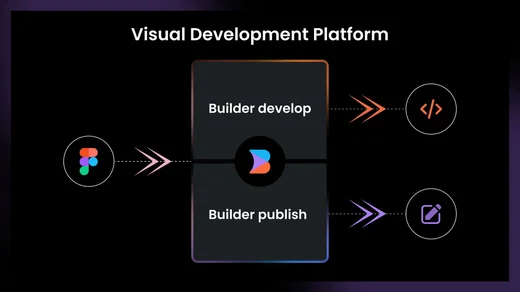
Learn how Builder's Visual Development Platform combines AI-powered design-to-code, visual editing, and an Enterprise CMS for faster web and mobile development.

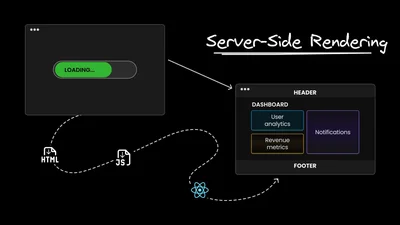
Server-side rendering generates HTML on the server. Learn how SSR improves performance and SEO for web apps and when to use it vs client-side rendering.

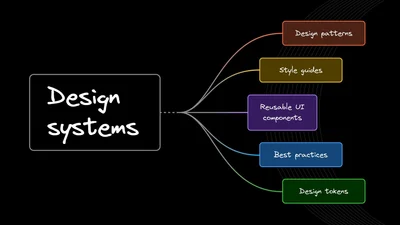
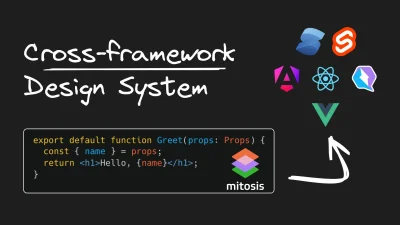
Design systems: core components and building process. Learn about pattern libraries, visual elements, and tools for effective implementation.

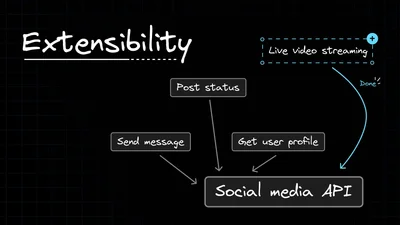
Extensibility in software: from plugins to microservices. Create flexible, scalable apps that adapt to change. Build systems that grow with your business needs.

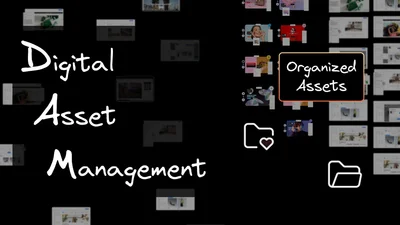
Digital Asset Management streamlines file chaos, boosts collaboration, and saves time. See how DAM organizes content and enhances project productivity.

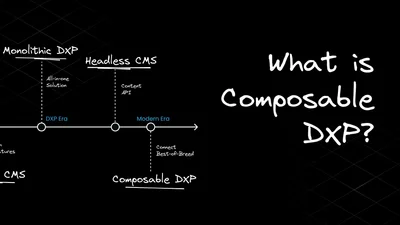
Ditch the monolith. Composable DXPs offer flexibility, speed and AI-powered innovation. Learn how they're reshaping digital experiences and why you should care.

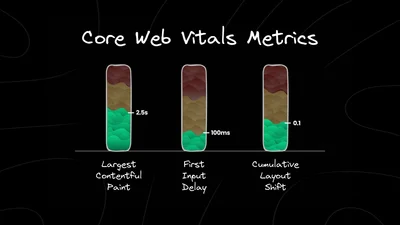
Core Web Vitals measure your site's speed and user experience. Focusing on loading, interactivity, and visual stability improves search engine rankings.

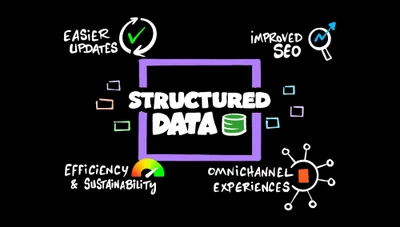
Get a clear understanding of structured data and its applications. Explore how to implement it, its effects on SEO, and when it's most useful for your content.

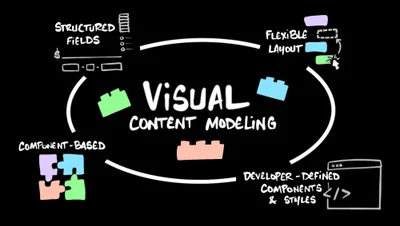
Learn the fundamentals of content modeling that ensures consistency, flexibility, and scalability in your development projects.

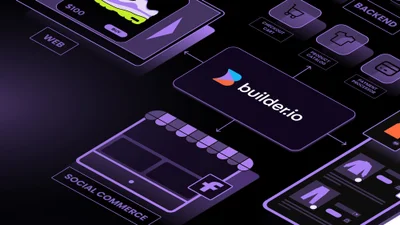
Learn how headless commerce helps developers build flexible, high-performance e-commerce systems. Explore decoupled architectures and implementation strategies.

Learn what Visual Editing is for Headless CMS and the different approaches of visual editing. Understand how to use AI with Visual Editing. 

Learn what design to code is, its history, and how automating it benefits designers and developers. Using AI to turn designs into code. 

Learn how headless commerce helps developers build flexible, high-performance e-commerce systems. Explore decoupled architectures and implementation strategies.

Builder.io is a visual experience platform for your Jamstack site. A component-driven approach to a drag-and-drop Visual Headless CMS.

What is a Visual Headless CMS? Learn how developers, content creators, marketing teams, and organizations can benefit from using a visual editor.

Discover how to choose the best headless CMS for your React project, whether it's a blog, e-commerce site, or enterprise solution. Integrate your React CMS.

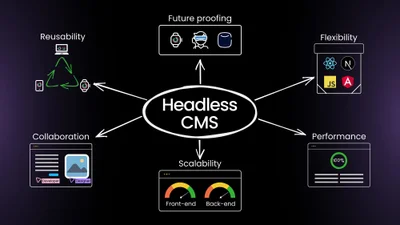
Discover what a Headless CMS is and how it offers unmatched flexibility and performance. Learn the benefits, features, and uses in this comprehensive guide.

  • Fusion

  • Publish

  • Product Updates

  • Figma to Code Guide

  • Headless CMS Guide

  • Headless Commerce Guide

  • Composable DXP Guide

Security

Privacy Policy

SaaS Terms

Trust Center

Cookie Preferences